If you’ve ever rage‑deleted a selfie because your eyeliner betrayed you, today’s internet mood will feel… familiar. A subreddit dedicated to makeup fails just went viral again, and the photos look less “Euphoria glam” and more “RPG character creation slider set to chaos.” It’s real-world proof of something gaming’s been quietly nailing for years: no one understands faces, style experiments, and identity play quite like video games do.
While the BadMakeupArtists subreddit is roasting smudged contour and foundation disasters, gamers are basically speed‑running that same trial‑and‑error process—just in a character creator where “undo” is actually a thing. And the overlap between those two worlds is getting more obvious by the day.
Let’s talk about how gaming quietly became the most powerful (and forgiving) beauty lab on the planet.
Gaming Turned “Bad Makeup” Into a Safe Sandbox
Scroll through any “makeup fail” compilation and you’ll see the same thing over and over: people trying something bold, missing the mark, and the internet lining up with popcorn. In games, that exact same chaos is basically the point.
From The Sims 4 to Baldur’s Gate 3 to Cyberpunk 2077, character creators are now full-on experimental playgrounds. You can:
- Stack neon eyeshadow with face tattoos
- Dye your hair anime-purple with zero bleach damage
- Test ten lipstick colors in five minutes
- Accidentally create a cursed clown and still hit “save” just for the memes
The key difference? In games, “bad” looks are often celebrated. Players share their hideous builds on Reddit, TikTok, and X for laughs, not shame. Where the BadMakeupArtists subreddit exposes mistakes in public, character creators let you mess up in private first—and only show off the chaos if you want to.
Gaming took the sting out of style fails by making them part of the fun.
Your Main Character Is Basically a Digital Influencer
Influencer makeup looks used to come from beauty gurus on YouTube and Instagram. Now? Half of TikTok is just people thirsting over fictional faces.
- Baldur’s Gate 3 characters like Astarion and Shadowheart spawned entire makeup tutorial trends.
- Gamers recreated Jinx and Vi from Arcane long before those looks hit mainstream makeup feeds.
- Cosplayers use in‑game models as literal blueprints for contour, eyeliner angles, and color palettes.
Character creators aren’t just games’ little side menus anymore—they’re shaping real-world aesthetics. When people say “I want elf-girlfriend eyeliner” or “I’m going for cyberpunk blush placement,” they’re talking about looks invented in engines like Unreal and Unity.
And it’s not a one‑way street. Beauty brands have noticed. We’ve seen:
- Fortnite and League of Legends collabs with IRL makeup lines
- AR filters on Snapchat and Instagram that feel exactly like sliding through an RPG preset menu
- Streamers doing full “create-a-sim” or “pick my fantasy race” makeup streams, bouncing between game and mirror
Your in-game face is low-key driving beauty trends, and most people scrolling those trends don’t even realize they started at a character select screen.
Devs Are Treating Faces Like Next‑Gen Tech, Not Just Pretty Extras
Underneath the fun, there’s some serious tech obsession happening.
Studios are pouring time, budget, and R&D into faces the way they used to into explosions:
- Face scanning and photogrammetry: Games like NBA 2K, EA Sports FC, and recent Call of Duty titles scan real faces to capture pores, wrinkles, and subtle expressions.
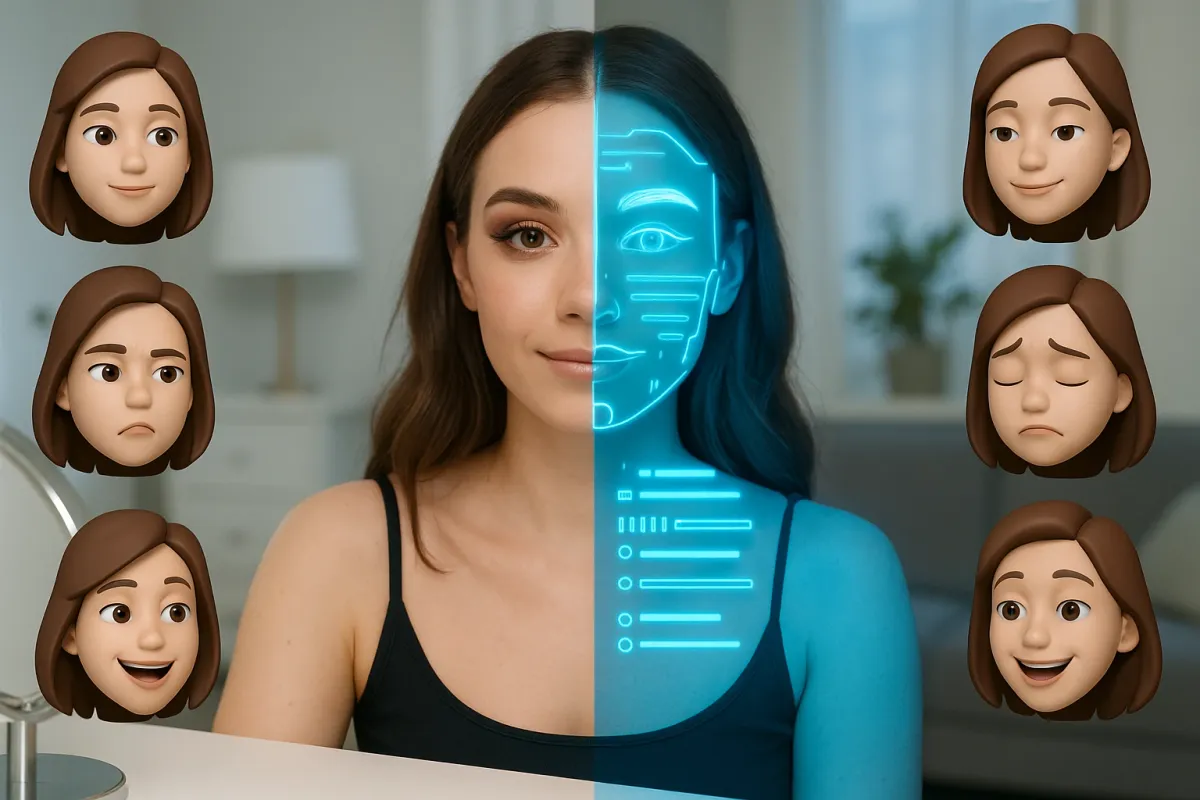
- Micro-detail skin systems: Engines like Unreal Engine 5 simulate subsurface scattering (how light passes through skin) and fine texture so makeup actually sits on faces instead of looking painted on.
- Dynamic expressions: Games are using eye tracking, wrinkle maps, and advanced rigging to make eyeliner crinkle correctly when someone laughs or cries.
All that tech means that when a game lets you adjust blush placement or add glitter, it can look shockingly real. It’s why screenshots from modern RPGs sometimes look like fashion shoots—light bouncing off metallic eyeshadow, highlighter catching in cutscene close-ups, lipstick bleeding if a character’s been fighting in the rain.
The “makeup fail” photos out in the wild show where real-world products and techniques struggle. Games, meanwhile, keep leveling up what’s possible on a face—even if it only exists as pixels.
“Bad” Choices in Games Are Part of the Narrative, Not a Social Death Sentence
One reason that online makeup fails feel so brutal: there’s no built-in forgiveness system. You mess up, someone uploads a pic, and suddenly strangers are zooming in on your eyebrows in 4K.
In games, though, wild styling often gets folded into the story:
- Your Dragon Age protagonist with unhinged blue lipstick and war paint? Canon. They survived a war looking like that. Respect.
- That Skyrim character with bugged-out black eyeliner? They’re now a running joke in your friend group and probably a meme in your Discord.
- Your slightly cursed Sims self-insert becomes family lore every time you boot the game and see them haunting the save file.
Instead of:
“I can’t believe she went out in public like that,”
it’s:
“I cannot believe I played 80 hours looking like this and didn’t change it once.”
Games build in narrative permission for bad looks. They become part of the character’s identity, not evidence that you personally have no idea how blending works.
Imagine if real life had that:
“Oh, your foundation line is wild? You’re in your ‘villain arc’ patch. It’s lore.”
The Future: Expect Beauty Apps to Look a Lot More Like RPG Menus
The viral makeup fail posts are basically free UX research for the next generation of beauty tech. Every time someone says “the foundation shade was way off” or “the contour wasn’t blended,” that’s a data point about what people struggle with.
Where does gaming fit in? It’s already prototyping solutions:
- Presets that don’t suck: Games have learned how to offer decent “default” faces that still feel unique. Beauty apps will borrow that for “starter looks” that actually work on multiple skin tones and face shapes.
- Real-time previews: Character creators let you spin, zoom, and swap lighting—exactly what AR mirrors and virtual try-on tools are trying to do with your real face.
- Shareable loadouts: Expect “makeup codes” the way games share weapon builds and character sliders. Scan your friend’s look, import it, tweak it, done.
Some brands are already halfway there with AR filters and virtual try-on. The missing ingredient is gaming’s attitude: less “perfect polished ad,” more “here’s a playground, go break it and post the funny bits.”
If beauty apps start feeling more like cozy RPGs and less like judgemental mirrors, you’ll know exactly where that design language came from.
Conclusion
The internet mocking bad makeup isn’t new—but the context is. We’re now living in a world where:
- Fictional characters are setting real makeup trends
- Game engines render faces more lovingly than some cameras
- Character creators quietly teach people about color, shape, and style—no public humiliation needed
So while the BadMakeupArtists subreddit is busy dragging botched cut creases, gamers are over here doing the same experiments with full rewinds, no product cost, and way more dragon options.
If you’ve ever thought, “I wish I could try this look without risking my actual face,” you don’t need a new mirror.
You just need a good character creator and a free evening.
Key Takeaway
The most important thing to remember from this article is that this information can change how you think about Gaming.