AI just did something that used to belong to a tiny group of people in cool jackets and expensive headphones: it got pulled into a major music rights fight. This week, Google reportedly held talks with major record labels and publishers about licensing artists’ songs so it can train new AI music tools without getting sued into the Stone Age. In plain English: the “Spotify for AI training data” conversation just got real.
If you’ve seen those viral AI tracks that sound suspiciously like Drake or The Weeknd, you already know why the music industry is twitchy. The difference now is that instead of pretending this tech doesn’t exist, big companies and big rights holders are trying to figure out how to live with it—and make money from it. For anyone who cares about AI, creativity, or just the future of your playlists, this is one of those “bookmark this moment” stories.
Below are five angles from this latest Google–music drama that are worth paying attention to if you’re into tech and want to know where AI is really headed.
AI Training Data Is Growing Up From “Just Grab It Online” To “Pay Up Front”
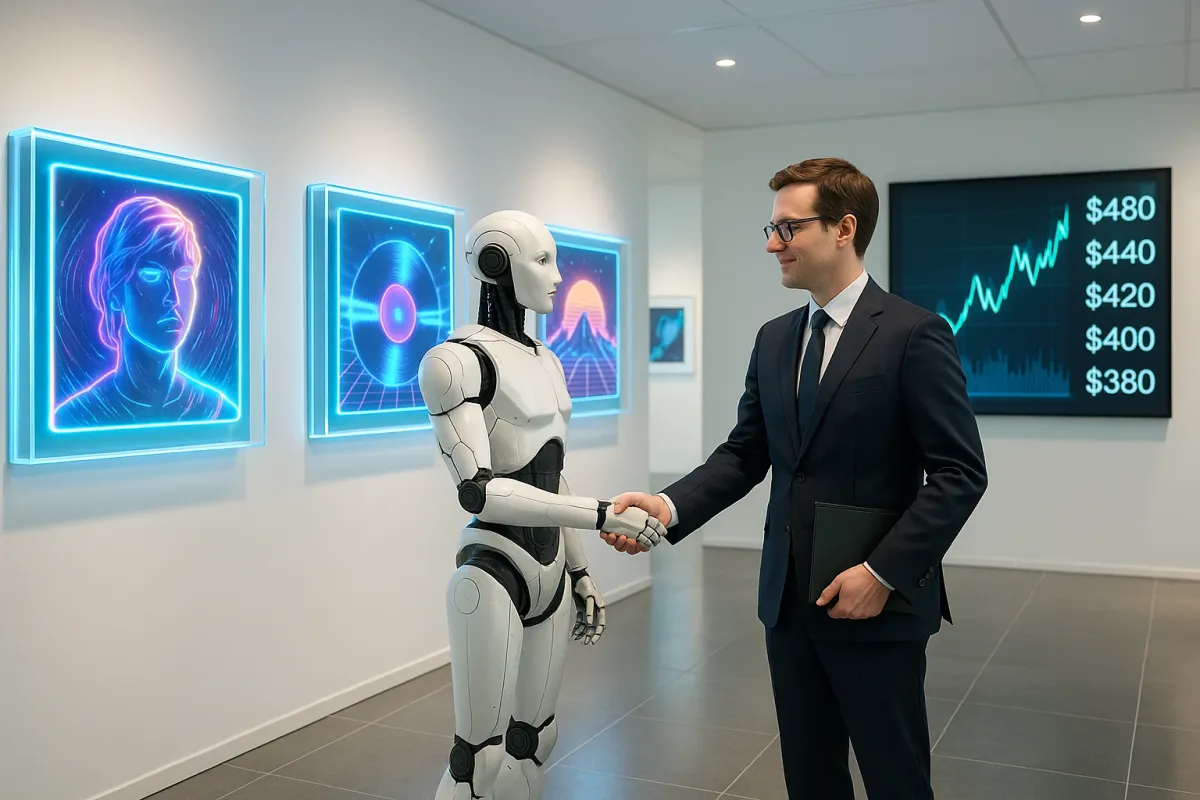
Early generative AI models basically treated the internet like an all-you-can-eat buffet: scrape everything, train on it, apologize later (or not at all). That era is crashing into lawsuits and angry creators. Now, according to multiple reports, Google is talking to major labels like Universal Music Group and big publishers about actually licensing songs—lyrics, vocals, instrumentals—as training data for AI music tools.
Think about how different that is from the last couple of years. Instead of “we found your track on YouTube,” this is “we’d like to sign a deal so our AI can learn from you… and maybe share revenue.” It’s the same pivot we’re starting to see in images and video: from “wild west” to “contract law.” For AI fans, this is huge because it sets a model for everything else—books, podcasts, TikToks, game soundtracks. If Google gets this licensing structure working, expect every other AI player to either follow or get sued trying not to.
Your Favorite Artists Might Actually Opt In To AI (For The Right Cut)
One of the most interesting bits in the reporting: Google’s pitch isn’t “we’ll replace artists,” it’s “we’ll give artists and labels tools fans will pay for.” Imagine official AI-powered remixes, stems, and mashups blessed by the artist instead of sketchy bootlegs. Or a mode where you can generate new tracks “in the style of” someone—but only if they’ve explicitly signed off.
This flips the whole “AI steals from us” narrative into “AI expands the catalog.” Labels are not sentimental—if there’s a legal, controllable way to churn out infinite new variants of a catalog track and charge for them, they’ll explore it. And for artists, this could be a new revenue stream: get paid when your voice or style is licensed for AI, rather than chasing takedown requests across the internet at 2 a.m.
Will every artist say yes? Definitely not. Expect a split: some will lean into AI like they leaned into TikTok, others will go full “analog only.” But the key shift is choice. Opt-in AI music systems mean your favorite artist isn’t just watching AI happen—they’re deciding how involved they want to be.
“Deepfake Drake” Wasn’t A One-Off Meme—It Was The Warning Shot
If you missed it: earlier in 2023, a viral AI song titled “Heart on My Sleeve” used AI to mimic Drake and The Weeknd so well that millions of people streamed it before it was yanked. That track freaked out the industry—not because it was a perfect song, but because it proved anyone with a laptop could spin up a semi-convincing fake featuring some of the biggest names in music.
This latest round of talks is basically the music industry’s delayed reaction to that moment. The message is: if AI is going to sound like Drake anyway, it might as well be licensed, controlled, and monetized by people who own Drake’s rights. That’s why you’re also seeing labels push streaming services to create rules against AI clones and pressure platforms like YouTube and TikTok to flag or remove impersonations.
For AI geeks, the takeaway is simple: “but it’s just for fun” doesn’t hold up when your “fun” pulls in millions of listens and competes with official releases. Once AI outputs start living in the same space as real commercial content, lawyers show up. The Drake deepfake wasn’t just a meme—it was the proof-of-concept that made these Google-style licensing talks inevitable.
Expect A New Wave Of “Official AI Tools” Built Into The Apps You Already Use
Google isn’t doing this out of pure ethics; it’s building features. The company has already teased things like AI music generation and audio editing in its products. With proper licensing, it can safely ship tools that let you, say, generate background tracks for videos, tweak vocals, or re-style a song without accidentally training on something it doesn’t have rights to use.
If these talks succeed, here’s what you should expect over the next year or two:
- Music apps with a “remix with AI” button that actually pays rights holders
- Video editors (think YouTube tools, Shorts, maybe even phone camera apps) where you can cook up legal, royalty-cleared AI soundtracks on the fly
- “Virtual collab” experiences where fans can interact with stylized versions of an artist’s voice or sound without it being a sketchy clone
The big shift: AI music will slowly move from weird third-party novelty sites into the mainstream tools you already have installed—only this time with licensing tags and TOS paragraphs attached. Less wild experimentation, more polished, brand-safe features.
This Isn’t Just About Music—It’s About Who Owns The Future “Language” Of AI
Music is just one domain, but it’s an emotionally explosive one. If Google can’t casually train on a hit track, what about a photographer’s portfolio? A streamer’s VODs? A Substack writer’s paywalled essays? The outcome of these music deals will influence how other industries negotiate with AI companies.
We’re basically watching the early drafts of:
- How AI models are allowed to “learn” from human culture
- How much creators get paid (if at all) when their work becomes part of that training data
- How you, as a user, are allowed to bend and remix that culture with AI tools
For tech fans, this is where things get interesting. The “language” AI speaks—its sense of style, taste, rhythm, and reference—comes from us. Who gets credit for that? Who gets a cut? The Google–music talks are one of the first serious attempts to turn “we trained on your stuff, thanks” into “we licensed your stuff, here’s the deal.”
Conclusion
Google’s reported push to license music catalogs for AI training is more than a niche legal story—it’s the beginning of AI entering the world of real business deals, contracts, and royalties instead of just vibes and Github repos.
If you care about AI, this is a turning point:
- Training data is becoming something you negotiate for, not just scrape.
- Artists are being asked to opt in, not just “discovered” after the fact.
- The tools you’ll use to make music, videos, and content in the near future will be shaped by the deals being hammered out right now.
Today it’s AI learning from hit songs. Tomorrow it’s AI trained on your favorite podcast, your go-to YouTuber, maybe even your own content. The question is shifting from “can AI do this?” to “who gets to say yes—and who gets paid when it does?”
Key Takeaway
The most important thing to remember from this article is that this information can change how you think about AI.