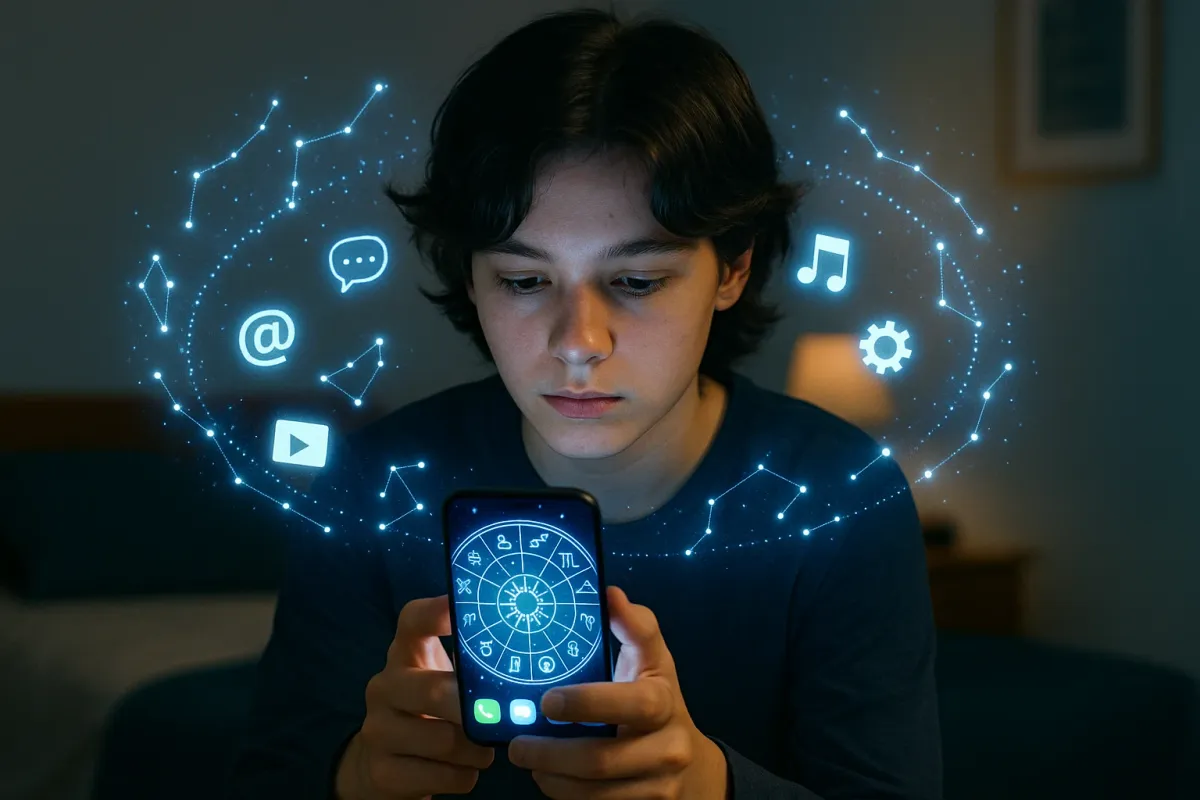
Astrology drama is back on the timeline, and this time it’s not just about Mercury in retrograde—it’s about the apps that quietly turned zodiac vibes into a full-blown relationship filter. A recent viral story featured a guy who cheated on his girlfriend, then tried to blame it on her being “a Cancer,” egged on by his astrology‑obsessed best friend. It’s peak 2025 energy: people outsourcing grown‑up decisions to push notifications and birth charts.
So let’s talk about the actual tech behind this. Astrology apps like Co–Star, The Pattern, and Sanctuary aren’t just cute “What’s your sign?” widgets anymore. They’re some of the most viral, sticky, and quietly powerful lifestyle apps on your phone right now—and they’re shaping how people date, fight, text, and even career-hop.
Here’s what’s really going on when you let the stars slide into your app drawer.
1. Modern Astrology Apps Run More Data Than Your Last Job Interview
Old‑school horoscopes were basically “You’re a Leo, you like attention, good luck this week.” Today’s biggest astrology apps are more like personality analytics engines with a celestial skin.
Most of the popular ones don’t just ask for your birthday—they want your exact birth time, location, and sometimes even your relationship status or life goals. That lets them calculate a full natal chart (all the planets, houses, aspects, etc.) and then slice it into hundreds of micro‑personality labels and predictions.
Behind the scenes, this gets fed into recommendation systems: daily notifications, “compatibility” breakdowns, and oddly specific lines like “You’re feeling misunderstood at work today, don’t text your ex.” It feels mystical, but functionally it’s not that different from how Netflix guesses what you’ll watch or Spotify builds your playlists. The twist? Instead of saying “Based on your listening history…” it says “Because Uranus is in your 7th house…”
2. Relationship Drama Is Great For Downloads (And The Apps Know It)
That cheating story where the guy blamed zodiac signs? That’s exactly the kind of chaos these apps quietly benefit from. The more people tie big emotional moments to “what their chart said,” the more essential these apps feel.
A lot of astrology apps are built around relational hooks:
- Daily compatibility scores with your partner or crush
- “Sync charts” with friends to see why you “always argue but can’t quit each other”
- Push alerts like “Today is a good day for deep conversations with your partner”
Those features keep you opening the app on your best and worst days—fights, breakups, dates, family drama. If a social app thrives on engagement, astrology apps thrive on emotional spikes. And the news story about a relationship blowing up over star signs? That’s the real‑world side effect of people letting app‑generated “compatibility” feel like evidence.
3. Your Star Chart Is Also A Weirdly Detailed Personal Profile
Astrology apps don’t just know your sign. When you hand over your birth details, you’re also handing over:
- Your age (easy to infer from birthday)
- Your rough home region or country (from location)
- Your likely time zone and sleep/wake habits (from when you open the app)
- Your mood patterns (from how you respond to certain prompts or what you tap on)
Even if they never sell your exact chart, that’s still a very tidy little profile. Some apps have been criticized in the past for vague or broad privacy policies—nothing as scandalous as a massive data breach, but enough that people started asking, “Do I really want someone storing the exact minute I was born and my relationship history?”
And because astrology content is so personal by design (your fears, relationships, trauma, dreams), it can feel more intimate than a regular “interests” profile. Tech‑wise, that’s a goldmine: people will share things with an astrology app they’d never type into a search bar.
4. Viral Horoscopes Are Quietly Turning Into Social Networks
Astrology used to be something you checked in the back of a magazine. Now, big parts of TikTok and Instagram are basically “horoscope plus reaction video,” and apps are leaning into this social side hard.
Some trends you’ve probably seen:
- Screenshot culture: people posting scary‑accurate daily readings from apps like Co–Star or The Pattern
- “Send this to your Aries friend” meme posts that tag half your group chat
- Creators using app charts as content: “I read my followers’ charts and here’s what you all have in common…”
Astrology apps benefit twice here. First, their content becomes shareable fuel. Second, every time someone screenshots a chart or a line and posts it, they’re doing free marketing. No wonder more of these apps are experimenting with in‑app chats, friend lists, and shared charts—they’re halfway between wellness tool and social network now.
And as that cheating story showed, once your social circles start taking the app’s output seriously—“We’re incompatible because our moons don’t match”—you’re not just sharing content, you’re shaping behavior.
5. The Real Power Move: Treating Astrology Apps Like Vibes, Not Rules
When drama like “He cheated and blamed her sign” hits the news, it exposes the awkward gap between fun cosmic vibes and actual adult decision‑making. The apps make it really tempting to say, “Well, my chart told me this relationship was doomed,” and walk away from accountability.
Here’s the healthier way tech‑savvy people are starting to use them:
- As reflection tools, not instruction manuals: reading a daily horoscope, then asking “Does this actually apply to me today?”
- For conversation starters: using compatibility breakdowns to talk about communication styles, not as a pass/fail relationship test
- As pattern spotters: noticing “I only open this app when I’m stressed or confused” and realizing that’s the real signal
- With boundaries: turning off push notifications if every buzz makes you feel like the sky is judging you
Astrology apps can be fun, soothing, even weirdly insightful. But the second they start dictating who you date, whether you apologize, or how seriously you take someone’s feelings, you’re basically letting a notification system run your life. The tech isn’t evil—but it’s absolutely optimized to keep you coming back for one more “cosmic” hit.
Conclusion
The latest headline about a guy blaming his cheating on zodiac signs isn’t just relationship gossip—it’s a snapshot of how deep astrology apps have dug into everyday life. These apps mix emotional data, slick design, and social sharing into something that feels both ancient and hyper‑modern.
If you’re going to let the stars live on your home screen, do it with eyes open: know what data you’re giving up, notice when you’re checking the app, and use it to understand yourself—not to excuse bad behavior or outsource big choices. The apps are powerful. The real question is whether they’re guiding your life… or just giving your worst decisions a horoscope‑flavored alibi.
Key Takeaway
The most important thing to remember from this article is that this information can change how you think about Apps.