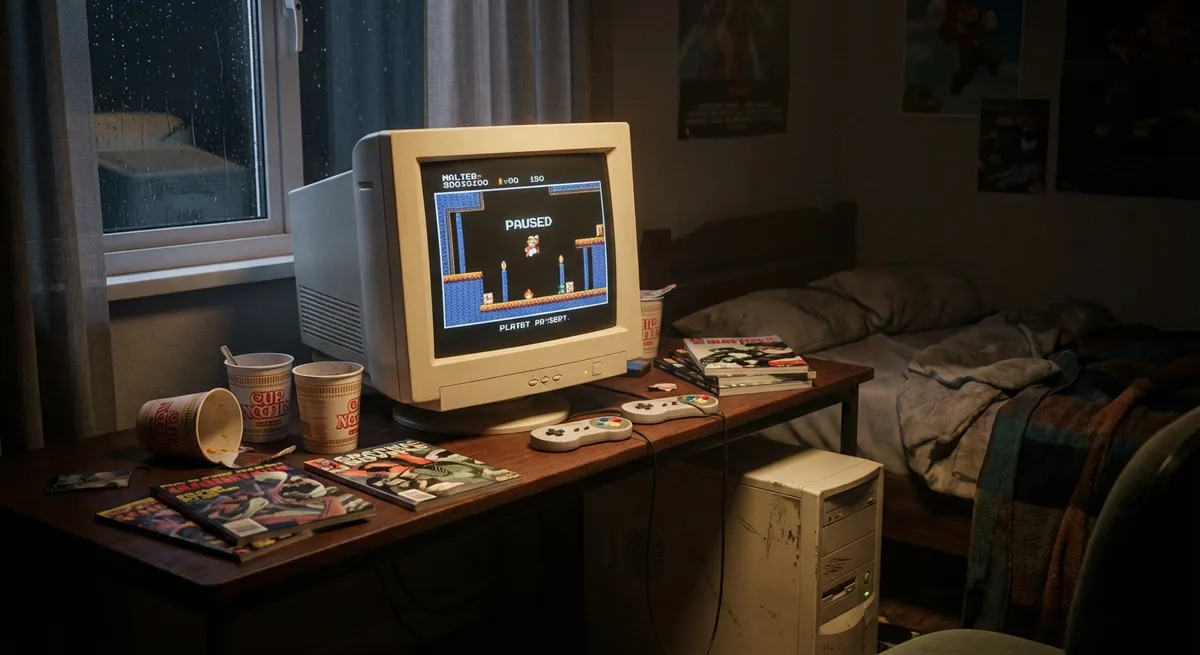
If you judge gaming by trailers alone, you’d think you “need” a $3,000 rig, a neon-lit room, and a GPU that sounds like a jet engine just to have fun. Meanwhile, some of the most dedicated gamers are out here running cozy, weird, or brilliantly designed games on laptops that wheeze when you open a browser tab. And they’re having a blast.
Low-spec gaming isn’t just “settling” because you can’t run the big blockbuster titles. It’s a whole vibe: smarter design, weirder ideas, better performance on normal hardware, and a lot less pressure to constantly upgrade. If you’re a tech enthusiast who likes optimizing stuff, tinkering with performance, or just getting the most fun per watt of energy, this world is surprisingly addictive.
Let’s dig into why low-spec gaming quietly rules.
Your “Old” Laptop Might Secretly Be a Great Console
That dusty laptop you retired because Chrome felt “too slow” might still have more than enough power to run a ridiculous number of great games. Modern indie games are often built with performance in mind, which means they’re playable on hardware that wasn’t exactly top-tier even when it launched. If it can handle basic video playback, there’s a good chance it can handle a ton of 2D games, strategy titles, indie platformers, and older 3D classics without melting.
The fun part here for tech fans is the optimization game: tweaking in‑game settings, enabling performance modes, and experimenting with lightweight launchers. Turning off unnecessary effects, capping frame rates, or dropping resolution slightly can transform a “barely playable” title into a smooth experience. And because these machines are already considered “past their prime,” you feel way more permission to experiment—dual-booting lightweight OS installs, trying OpenGL vs DirectX, or playing with game-specific compatibility modes become part of the hobby. You’re not just gaming; you’re squeezing surprising life out of hardware most people would give up on.
Low‑Spec Games Are Where the Weird And Brilliant Ideas Live
When developers know they can’t rely on flashy graphics to carry the whole experience, they often get weird—in the best way. Low-spec-friendly games lean hard on tight mechanics, strong art direction, and unusual ideas, because they need to hook you without a cinematic cutscene every five minutes. That constraint leads to some of the most creative stuff you’ll ever play, from minimalist puzzle games to strange narrative experiments that feel more like interactive graphic novels than “traditional” games.
For tech enthusiasts, this is basically design porn. You start noticing how much can be done with low-resolution art, clever sound design, and small but meaningful systems. There’s something incredibly satisfying about a game that’s only a few hundred megabytes, runs on almost anything, and still delivers a smarter experience than a 100 GB big-budget title. You’re watching the “efficiency mindset” you love in hardware and software show up in game design: less bloat, more brains.
Modding Old Games Feels Like Hacking Time (In a Good Way)
One of the best parts of low-spec gaming is revisiting classics and then tricking them out with modern mods. Old PC titles, especially from the late 90s and 2000s, were built for far weaker machines than we have now. That means they run effortlessly on today’s “weak” hardware—and with the right community mods, they can look or feel surprisingly modern without needing modern specs.
For tinkerers, this is a rabbit hole in the best possible sense. You can add widescreen support, higher-resolution textures, fan-made patches, entirely new levels, or full-blown overhaul mods that turn a familiar game into something almost new. The process feels a little like upgrading vintage hardware: preserving the soul of the original while giving it quality-of-life boosts. There’s a real thrill in knowing your “budget” laptop can be a doorway to a massive library of classics that still hold up, especially once the community has polished them for another decade or two.
Performance Tuning Becomes Its Own Mini‑Game
There’s a certain kind of person who enjoys shaving milliseconds off boot times or dialing in perfect fan curves. Low-spec gaming gives that same energy a playground. Instead of just cranking everything to “Ultra” and calling it a day, you’re actually making tradeoffs: is it worth dropping shadows a bit to hit a steady frame rate? Does lowering resolution by one step barely change how it looks on your screen—while massively improving how it feels?
This is where every slider and toggle in the settings menu starts to matter. You might discover that color grading or motion blur is killing your performance for almost zero visual gain. Or that using a game’s “borderless window” mode smooths out stutters on your setup. Running overlays that show frame times, temperatures, and CPU/GPU usage turns the whole thing into a live experiment. It’s the same satisfaction as overclocking or undervolting a CPU—except the feedback loop is instant, because you literally feel the game becoming smoother as you dial things in.
Low‑Spec Gaming Is Weirdly Future‑Proof (And Eco‑Friendly)
While the high-end hardware race keeps sprinting forward, low-spec gaming kind of sidesteps that entire cycle. When you choose games and experiences that don’t demand cutting-edge silicon, your current hardware stays “good enough” for way longer. You’re not under pressure to chase the latest GPU drop or rebuild your PC every other year just to keep up with system requirements.
There’s also a quiet environmental upside: less hardware churn, less e‑waste, and more value squeezed out of devices that would otherwise hit a landfill early. A cheap mini PC, a used office tower, or an older laptop suddenly becomes a long-term entertainment device instead of “old junk.” For tech enthusiasts who actually care about how gadgets age, this mindset feels satisfying: you get to enjoy tech as a long game instead of a constant replacement cycle. It’s like discovering that the “slow” lane is not only calmer, but in some ways smarter.
Conclusion
Low-spec gaming isn’t about giving up on big, shiny releases; it’s about widening the definition of what “good gaming” looks like. It turns forgotten hardware into playgrounds, makes performance tuning genuinely fun, and opens the door to smart, strange, and inventive games that don’t need a monster PC to shine.
If you’re into tech, there’s a lot to love here: efficiency, creativity, tinkering, and an excuse to resurrect hardware you already own. The next time you think you “need” a major upgrade just to enjoy games, maybe try the opposite experiment—see how much fun you can wring out of the gear you’ve already got.
Key Takeaway
The most important thing to remember from this article is that this information can change how you think about Gaming.