The internet has officially decided who its “most disliked” celebs are this year, and it did it the same way it does everything now: with an app and a vote. Ranker’s new list of the 47 most disliked stars of the year is going viral, and whether you agree with the results or not, one thing is pretty obvious — ranking apps and opinion platforms are quietly running the culture.
While everyone’s arguing over which royals, talk show hosts, or reality stars deserve the digital scarlet letter, the real story is how apps like Ranker are turning vibes into data, and data back into more vibes. This isn’t just about messy celebrity discourse — it’s about how “tap-to-vote” apps are shaping what we watch, who gets cast, and what trends survive longer than a week.
Let’s dig into how these apps actually work, why they’re everywhere, and what they’re doing to the way we argue online.
1. Voting Apps Turn Internet Drama Into a Giant Interactive Scoreboard
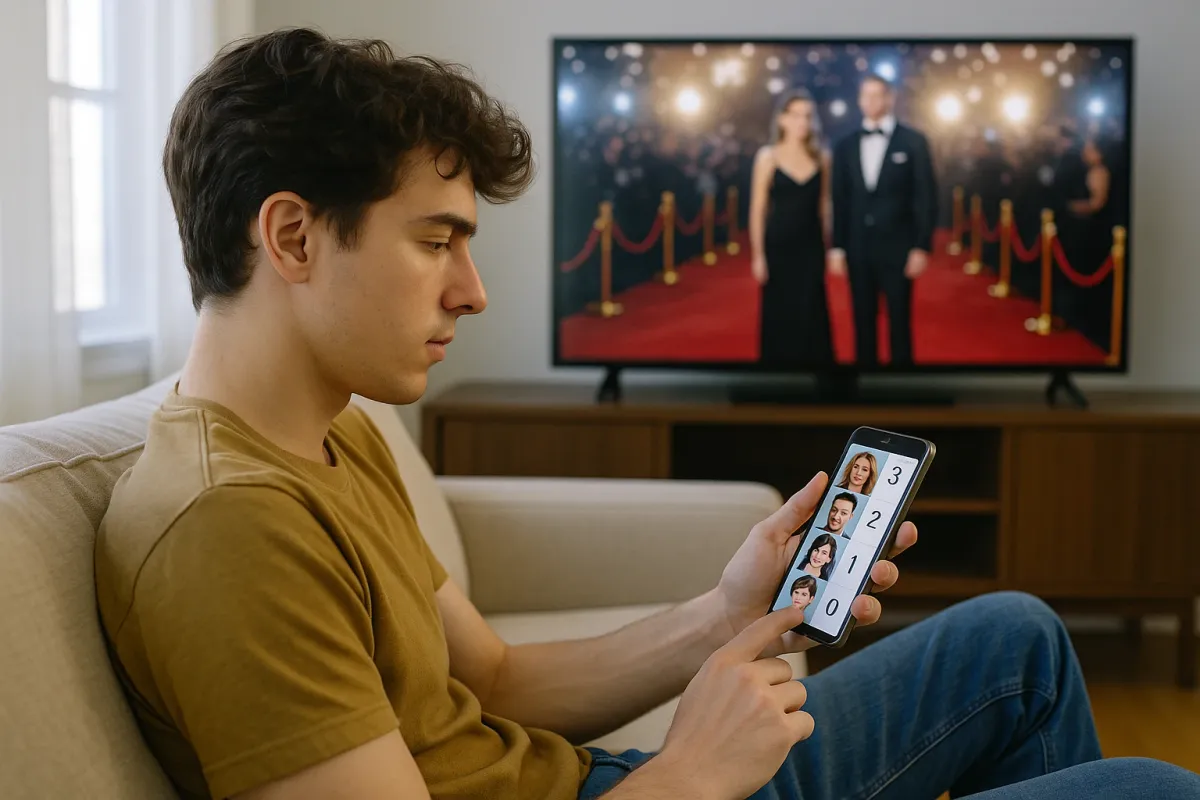
Ranker’s “most disliked stars” list sounds like just another spicy headline, but under the hood it’s powered by a simple mechanic: you tap a button, they get a data point. Multiply that by hundreds of thousands (or millions) of people, and suddenly you’ve got a living, breathing scoreboard of public sentiment.
Opinion and ranking apps lean hard into that feeling that your vote matters, even when it’s about something as low-stakes as “Who’s the worst talk show host?” You’re not just doomscrolling, you’re participating. That tiny psychological shift is what keeps people swiping and tapping instead of closing the tab.
Tech-wise, these apps don’t need bleeding-edge AI to be addictive. They just need:
- A list
- A vote button
- A way to sort the chaos into “winners” and “losers” in real time
And because the internet loves a hierarchy — best, worst, hottest, cringiest — ranking apps fit neatly into how we already argue online. The difference is now those arguments are structured, countable, and very, very shareable.
2. Your “Hot Take” Is Training Their Recommendation Engine
Every time you vote on a celeb, a meme, or a “who’s overrated?” prompt, you’re doing free labor for someone’s algorithm. Apps like Ranker don’t just want your opinion; they want the pattern behind it.
If you consistently downvote a certain category of star — reality TV villains, controversial comedians, disgraced producers — the app starts learning what kind of content to show you:
- More lists you’re likely to engage with
- More topics that get you to scroll deeper
- More “oh no way they put them on this list” moments
Even if an app doesn’t feel as personalized as TikTok or Instagram, there’s still a feedback loop happening. The platform learns what blows up and then doubles down on it with similar lists and topics. As a user, it feels like, “Wow, this app really gets what I’m annoyed about today.” Underneath, it’s just data and pattern matching.
The wild part: when lists like “most disliked stars” go viral, studios, brands, and even PR teams absolutely look at them. Your joke vote about that one reality star? Not as harmless as it feels when someone, somewhere, is building a pitch deck with those rankings in it.
3. Celebrity Reputation Is Now Basically a Live, App-Driven Stock Price
In the old days, a celeb’s public image moved slowly — magazine covers, TV interviews, maybe the occasional scandal. Now? One bad clip, one chaotic interview, and their name can rocket up an app’s “most disliked” ranking in a single weekend.
Apps like Ranker essentially treat public opinion like a stock chart:
- A viral controversy? Instant spike in negative votes.
- A redemption arc or a big charity moment? Gradual climb back down the list.
- A quiet year? They might slowly vanish from the rankings altogether.
The important bit for tech watchers: these rankings don’t just sit in isolation. They’re getting screenshotted, turned into TikToks, quoted in think-pieces, and folded into the larger recommendation systems of other platforms. Once your name is attached to “most disliked” on a big ranking app, that phrasing follows you around search engines and social feeds.
The result is a feedback loop:
Drama happens
People rush to voting apps to “weigh in”
The rankings shift
Media covers the shift
More people find the app just to see the ranking
And around we go.
4. Ranking Apps Are Addictive Because They Feel Like Low-Stakes Power
Why are people willing to spend actual time voting on 47 different celebrities they don’t know? Because ranking apps weaponize three very human instincts:
- Curiosity – You open the list just to “see who’s on it.”
- Judgment – You can’t resist scrolling to check if your personal nemesis is ranked high enough.
- Control – When you disagree, you get to click a button and feel like you’re correcting the universe.
- Swipe-based dating apps
- Tier list tools for gamers
- “Who wore it better?” carousels on Instagram
This is the same psychology that powers:
The interface is dead simple: agree or disagree, up or down, more or less. No essay, no nuance required. For an attention economy drowning in complexity, these apps offer a quick hit of “I participated” without the brain drain of long comment arguments.
From a design standpoint, that’s the genius: you feel like your vote has weight, but the barrier to entry is as low as possible. Tap, next, tap, next, share.
5. The Future: Less Comment Wars, More Structured “Opinion Games”
The Ranker “most disliked stars” drama points to where a lot of apps seem to be heading: less open-thread chaos, more structured, game-like ways to express opinions.
Instead of 500 angry comments under a post, you get:
- A slider (“cringe” to “iconic”)
- A poll (“overrated / underrated”)
- A ranking list you can reshuffle or vote on
- It’s easier to moderate numbers than arguments
- It generates clean, usable data
- It’s way more sponsor-friendly than a fight in the comments
- Music apps surfacing “most skipped” or “most replayed” artists
- Shopping apps nudging you to rate and rank products in one tap
- Streaming apps testing more “rank this season vs the last one” style prompts
For platforms, this has big advantages:
We’re already seeing this bleed into other app categories:
Opinion is getting gamified. And if Ranker’s latest “most disliked” list is anything to go by, people are completely fine turning hot-button feelings into leaderboard stats — as long as the interface is fun.
Conclusion
A viral list of “most disliked stars” sounds like pure internet drama, but it’s also a glimpse into how our apps are quietly rewiring how we express taste, outrage, and approval. Platforms like Ranker take the messy chaos of public opinion and compress it into a clean, sortable list — the internet’s favorite format.
For tech fans, the interesting part isn’t just who made the list, but how that list exists in the first place: endless micro-interactions, fed into an engine that turns vibes into rankings and rankings back into content.
Today it’s celebrities. Tomorrow it might be brands, games, gadgets, even AI tools. If it can be argued about, it can be ranked. And if it can be ranked, there’s probably an app sketching out a leaderboard for it right now.
Key Takeaway
The most important thing to remember from this article is that this information can change how you think about Apps.