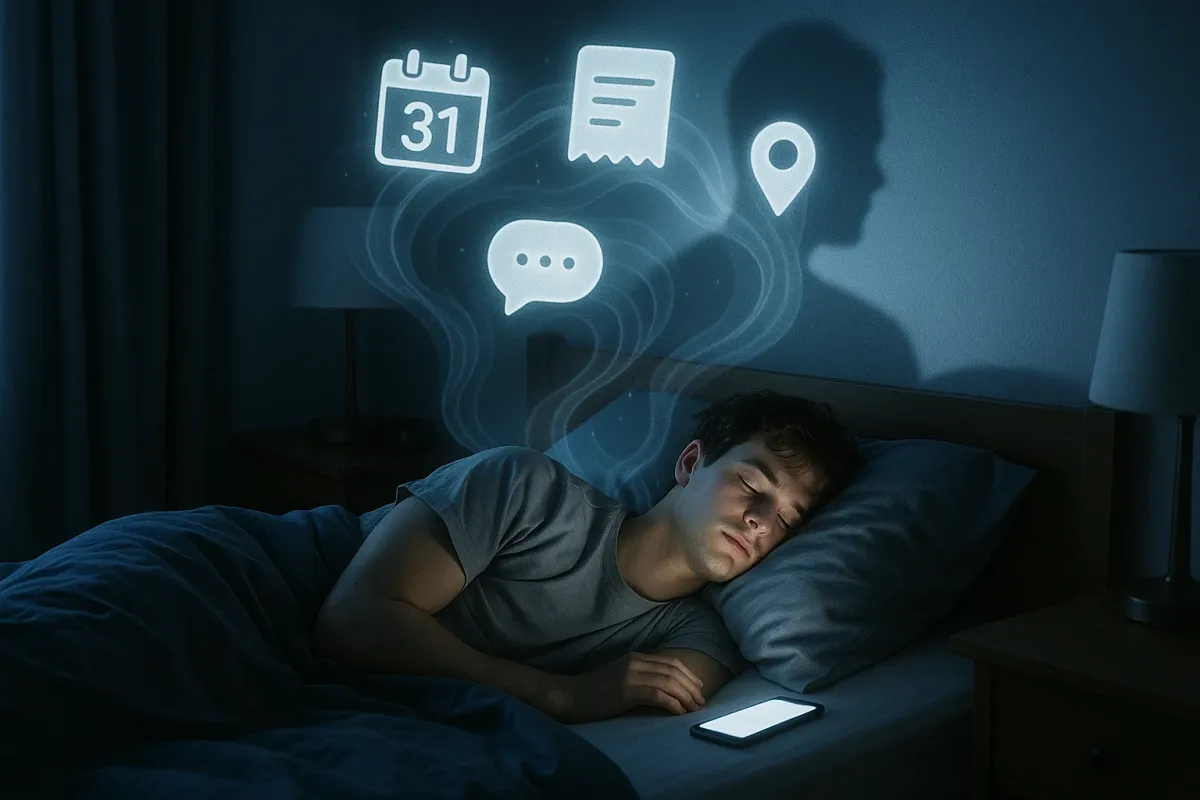
Your phone already knows you’re tired, your boss is annoying, and you’ve eaten the same lunch three days in a row. Now it also knows exactly how chaotic your workplace, relationship, and sleep schedule really are—because you keep telling it.
Today’s feeds are full of people exposing toxic workplaces, wild relationship red flags, and unhinged “calling in sick” excuses. But behind all that drama, there’s another story: the apps sitting between you and your next meltdown. Mood trackers, journaling tools, “vent” spaces, and anonymous confession apps aren’t just trending—they’re quietly turning our daily chaos into data.
Let’s talk about what these apps are actually doing, how they’re evolving right now, and what you should keep an eye on if you’re a tech nerd who happens to also be a walking stress ball.
1. “Therapy Lite” Apps Are Turning Your Feelings Into Product Features
Every time someone posts about ignoring relationship red flags or realizing their office is toxic, there’s usually a screenshot from some app: a mood tracker, a private notes app, a journaling tool. These “therapy-lite” apps are exploding because people want the emotional release of talking to someone—without the hassle of finding an actual human.
Modern mood apps don’t just log “happy/sad” anymore. They track triggers (“boss yelled,” “fight with partner,” “pulled an all-nighter”), time of day, sleep, and even location. Then they run everything through recommendation engines that decide what to show you: a breathing exercise, a guided journal prompt, or a nudge like “You often feel this way on Sunday nights.” Under the hood, it’s recommendation tech from social media repurposed to handle your emotional backlog.
The big twist in 2025: more of these apps are adding AI chat layers on top of your logs. Instead of you scrolling through old entries, an in‑app assistant can say, “You’ve logged ‘burnout’ 7 times this month, want to look at patterns?” For power users, this is basically a personal analytics dashboard for your feelings. For privacy nerds, it’s a reminder that your daily spiral is now a structured dataset.
2. “Anonymous” Confession Apps Are Getting Smarter About Trust (Sort Of)
Those viral posts about people finally realizing their workplace is toxic or their relationship is broken? A ton of those start in anonymous apps or “vent” communities—places where you can text-dump your worst thoughts at 2 a.m. with no name attached. But anonymity is getting complicated.
Newer apps in this space are quietly moving away from pure “no identity at all” toward soft identity: device fingerprints, behavior patterns, and optional log-ins that let them ban bad actors while saying it’s anonymous. On the front end, you see a simple text box. On the back end, there’s logic trying to spot harassment, self‑harm risks, and outright illegal stuff before it goes viral.
Tech-wise, a lot of them are now using lightweight on-device models to flag extreme content before it even hits their servers. The goal is to cut down moderation load and create “safer” spaces people are more willing to use for heavy topics like abuse or burnout. But it also means your angriest rants are being run through classifiers that decide what’s “normal” venting and what’s reportable.
If you’re into app design, this is the interesting tension to watch: apps selling “total freedom to say anything” while quietly layering in some very opinionated guardrails.
3. Workplace-Tracking Apps Are Becoming the Receipts for Toxic Offices
Those “this is when I realized my job was toxic” stories didn’t just live in people’s heads—they lived in Slack logs, screenshot folders, and time‑tracking apps. Now some apps are leaning into that idea on purpose.
There’s a growing wave of tools aimed directly at workers instead of management: apps that let you log incidents (“manager yelled at me in front of client”), track overtime vs. paid hours, export timelines, or save receipts of last‑minute demands. What used to be a random screenshot in your camera roll is turning into structured “workplace history.”
On the tech side, these apps are borrowing tricks from CRM and project-management tools: timestamped entries, attached files, tags, search, and exports. From a UX angle, they’re being rebranded as “career diaries” or “work journals” instead of “lawsuit starter kits,” but users understand the subtext.
Expect more crossover with big platforms really soon: integrations with email, calendars, and messaging apps to auto-tag things like “meeting scheduled outside normal hours” or “urgent emails on weekends.” If we’re being honest, your phone is slowly becoming the quiet witness to your boss’s nonsense.
4. “Call In Sick” Culture Is Training Routine Apps To Be Weirdly Flexible
People aren’t just skipping work—they’re narrating it. Entire threads online are dedicated to the funniest, strangest reasons people would call in sick. And yes, the apps are paying attention, because “I don’t feel like it” doesn’t fit neatly into a dropdown that says “Flu / Injury / Vacation.”
Scheduling and HR apps are quietly adapting to modern chaos. Instead of only offering rigid absence reasons, we’re seeing more free‑text notes, emoji‑friendly UIs, and “mental health day” options built in. That’s not just vibes; it affects how the app structures data, generates reports, and decides what to flag as suspicious.
Some newer attendance tools are experimenting with pattern analysis: spotting repeat Monday absences, frequent half‑days, or late-night logins followed by burnout. That data can be used in two very different ways: to support employees (“this person is clearly overworked”) or to discipline them (“this person is ‘abusing’ sick leave”). From a tech perspective, it’s just behavior analytics. From a human perspective, it’s kind of the whole story.
If you’re enthusiastic about app design, this is a textbook example of how a tiny UX tweak—like adding “mental health” as a reason—can remake the entire dataset underneath.
5. Relationship & “Red Flag” Apps Are Becoming Your Messy Friend Group in Your Pocket
Those threads where people confess the red flags they ignored before a relationship went nuclear are basically user research for a whole class of apps. We’re seeing more tools that sit somewhere between a notes app, a therapist, and a very blunt friend.
Some let you log “events” in your relationship: arguments, broken promises, big wins, good days. Others go further and nudge you with prompts like “Was this boundary respected?” or “Did you feel safe during this interaction?” Over time, they build timelines you can scroll through—helpful when your brain is trying to rewrite history as “it wasn’t that bad.”
The newer twist: AI is being used as a gentle pattern detector. If you log “felt disrespected” three weeks in a row on date night, the app might surface that pattern. Not to diagnose, but to say, “Hey, this keeps happening—want to journal about it?” It’s not mind‑reading; it’s simple text + tag analysis, but it feels more insightful than a blank page.
There’s also a quieter trend: people using generic tools (habit apps, daily check-ins, private messengers to themselves) as DIY red-flag trackers. From a product perspective, that’s a signal: users are hacking productivity tools to deal with emotional stuff. Expect more crossover features—relationship health dashboards, shared check-ins, and “we promised not to yell” trackers—baked right into mainstream apps.
Conclusion
Between the toxic workplaces, questionable relationships, and hilariously unconvincing sick-day excuses, it’s easy to think everything is just chaos. But under the hood, your apps are turning that chaos into structured information—moods, patterns, timelines, and flags.
If you’re a tech enthusiast, this is the interesting part: we’re watching the same techniques that power social feeds, ad targeting, and recommendation engines get repurposed for something way more personal—how you feel, how you’re treated, and where your limits are.
Used right, these apps can be receipts, reality checks, and quiet support systems. Used badly, they’re just one more way your life becomes data.
Either way, your next “I think my job/relationship is toxic” moment probably won’t start with a thought. It’ll start with an app asking: “Want to log that?”
Key Takeaway
The most important thing to remember from this article is that this information can change how you think about Apps.