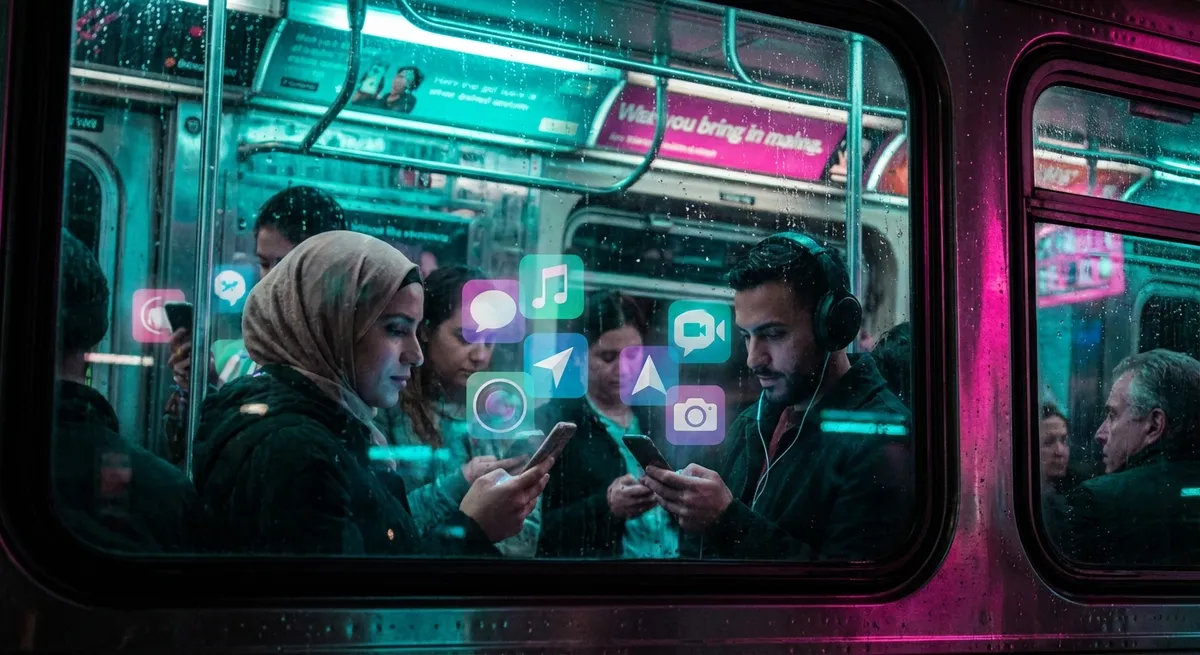
Apps aren’t “just apps” anymore—they’re the remote control for your entire life. From how you wake up to how you pay, learn, date, work, and even sleep, your home screen quietly runs the show. But under the familiar icons, apps are changing in some seriously weird and interesting ways.
Let’s dig into how apps are evolving right now, and why tech enthusiasts should actually be paying attention instead of just refreshing the App Store for the next shiny thing.
1. Your Favorite Apps Are Turning Into “Everything Platforms”
Remember when every app did exactly one thing? A notes app took notes. A maps app showed maps. Cute idea. That era is basically over.
Now, the biggest apps are turning into whole ecosystems:
- WhatsApp and Telegram: Started as messaging. Now they do payments, communities, shopping, business chat, and customer support.
- WeChat in China: Chat, pay bills, order food, hail a ride, book a doctor, file for divorce—yes, really—all in one place.
- Uber: Began with rides. Now it’s food, groceries, packages, and even party supplies in some cities.
Tech-wise, this “super app” model makes sense: keep you inside one app for as many tasks as possible. For users, it means less bouncing between apps and more “open one app, live your life.”
The fascinating part is watching Western apps quietly chase the super-app model without calling it that. Your messaging app, wallet app, and social app are slowly merging into one mega-layer over your real life.
Why this matters:
Once a few apps become your default for everything—money, identity, conversations—switching away gets nearly impossible. The app isn’t just a tool; it becomes infrastructure.
2. Notifications Are Getting Smarter… and Sneakier
Notifications used to be simple: something happened, your phone buzzed. Now they’re closer to a negotiation between your brain and a team of growth engineers.
Modern apps are playing with:
- Timing: Some apps delay notifications to send them when you’re more likely to tap (e.g., evenings, after work).
- Bundling: Gmail and others group updates so you don’t rage-delete everything.
- Priority: “Time-sensitive” vs “promotional” vs “silent”—labels that decide how much they’re allowed to bother you.
- Personalization: “You might like this” pings based on your past behavior, not anything you actually asked for.
On iOS and Android, new controls like focus modes, notification summaries, and per-app permissions give you more power. But apps adjust in response—changing their wording, frequency, and “urgency” to stay on your lock screen.
Example: An app doesn’t say “We miss you” anymore. It says “You left something unfinished” or “Your streak is about to end.” Same tactic, but with just enough urgency to make you feel compelled.
Why this matters:
The notification war is really about attention. The more sophisticated your OS gets at protecting you, the more creative apps become at getting past your filters. The next few years will look like a tug-of-war between “peace” and “ping.”
3. The Offline World Is Quietly Moving Inside Apps
The most interesting apps right now don’t just live on your screen—they’re rewiring how you move through the real world.
Look at what’s already normal:
- Scanning QR codes to open menus, pay, or log in
- Unlocking scooters, cars, and smart locks with an app
- Mobile tickets replacing paper for flights, events, and transit
- Digital IDs and vaccine records in government or health apps
Underneath all of this, there’s a shift:
Your phone isn’t just a device you use in the world—it’s becoming your key to the world.
For tech enthusiasts, the really nerdy part is the infrastructure behind this:
- APIs that let apps talk to your bank, your city transit system, your smart devices
- Digital wallets that blur the line between payment app and identity app
- NFC and Bluetooth making “tap to unlock” or “tap to pair” feel magical and normal at the same time
If you strip everything else away, a lot of modern apps are just clean interfaces over really messy offline systems—governments, transit networks, hospitals, payment rails—all being forced to speak “app.”
Why this matters:
The more your physical life depends on apps, the more questions start to matter: What happens if the app goes down? Who owns your data history? Can you switch to a competitor without losing everything?
4. App Stores Are Quietly Changing the Rules of the Game
It’s easy to forget that almost every app on your phone had to pass through one of two doors: the Apple App Store or Google Play Store. Those doors are starting to creak open in interesting ways.
Recent and ongoing shifts include:
- Alternative app stores and sideloading: In some regions (especially the EU), rules are forcing Apple and Google to allow more ways to install apps.
- Payment rules changing: Big lawsuits and regulations are pushing app stores to loosen up on in-app payment restrictions for some developers.
- More privacy labels and security scans: Before installation, you now see what data apps collect, and stores use more automation to check for malware and bad behavior.
- How they monetize (subscriptions vs one-time purchases vs in-app stores)
- How much they pay in fees
- How quickly they can ship updates
- More variation in where apps come from (especially on Android)
- More “This app isn’t from the official store” warnings
- More transparency about tracking and permissions, at least on paper
For developers, this changes:
For users, you’ll see:
Why this matters:
App distribution is power. If it gets more open, you might see weirder, riskier, more experimental apps flourish again—outside the “play it safe” zone of mainstream stores. But that also means more responsibility on you to decide what you trust.
5. AI Is Creeping Into Apps in Ways You Actually Feel
You don’t need a “fancy AI startup app” to see AI at work—it’s already baked into stuff you use every day.
Some places it quietly shows up:
- Photos: Background blur, “Magic Eraser,” face optimization, object recognition in your gallery search.
- Email and docs: Suggested replies, smart compose, auto-summarization.
- Maps and rides: Predicting where you’re going, best time to leave, dynamic pricing, traffic routing.
- Streaming apps: Hyper-personalized recommendations that feel like they actually know your taste.
The fun part for enthusiasts is how this changes app design:
- Interfaces are getting less button-heavy and more “just type what you want.”
- Features like chatbots inside apps are replacing old-school menus and help sections.
- Some apps are ditching manual settings entirely and letting algorithms tune everything for you.
But there’s also the weird side:
- It’s harder to tell why an app recommended something.
- Two people using the same app can have completely different experiences, driven by models you can’t see.
- Your data is constantly being fed into models that improve the app for everyone—including future versions you might not like.
Why this matters:
We’re moving from apps you control to apps that predict. That can be magical (“wow, it knew what I needed”) or unsettling (“why is this app suggesting this to me?”). The next wave of app innovation isn’t just new ideas—it’s smarter behavior in apps you already know.
Conclusion
Apps started as small tools living inside your phone. Now they’re sprawling systems that connect your money, identity, social life, and physical world—while quietly competing for your attention behind the scenes.
For tech enthusiasts, the interesting story isn’t just “what’s the hot new app?” but:
- Which apps are trying to become everything for you
- How notifications and design are shaping your habits
- How much of the offline world is being rebuilt in app form
- Who controls the gateways (stores, rules, payment rails)
- Where AI is silently changing how your apps think
Next time you unlock your phone, don’t just look at the icons—look at how they’re evolving. The future of tech isn’t just new devices; it’s what those apps convince you to do with the ones you already have.
Sources
- Apple – App Store Review Guidelines – Official rules that shape what apps can and can’t do on iOS
- Google Play Policy Center – Overview of content, monetization, and privacy policies for Android apps
- European Commission – Digital Markets Act (DMA) – Details on new rules affecting app stores, gatekeepers, and alternative distribution in the EU
- Pew Research Center – Mobile Fact Sheet – Data on smartphone usage, app reliance, and behavioral trends
- CNN – How WeChat Became China’s App for Everything – Deep dive into the “super app” model and how one app can run an entire digital life
Key Takeaway
The most important thing to remember from this article is that this information can change how you think about Apps.