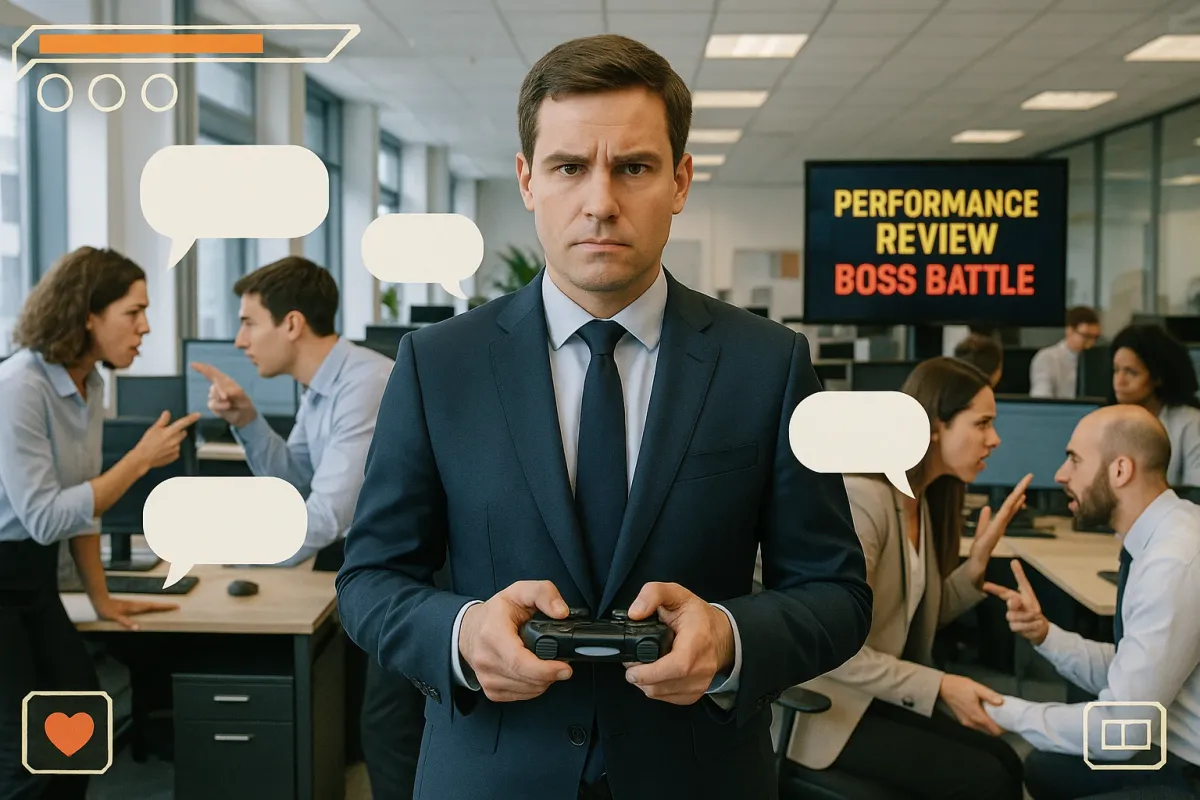
If you’ve scrolled the news lately, you’ve probably seen yet another story about nightmare jobs and “toxic workplaces” going viral — like that trending piece where people shared the exact moment they realized their office was actually the problem, not them. At the same time, gaming charts are quietly being taken over by… games that basically let you live through a horrible job on purpose.
We’re in a weird moment where people are rage-quitting real workplaces, then booting up games like Lethal Company, The Coffee Shop, Animal Well, or even old-faithful The Sims 4 to reenact the same chaos — but with monsters, ghosts, or HR-free revenge. Let’s talk about why “workplace misery” is suddenly one of gaming’s favorite genres, and why tech and game nerds can’t get enough.
1. TikTok Turned Lethal Company Into the Ultimate “Bad Job” Simulator
Indie co-op hit Lethal Company exploded this year on TikTok and Twitch because it feels like every awful job you’ve ever had, just with more tentacles. You and your friends are low-paid contractors sent to raid abandoned moons for scrap while a faceless corporation screams at you about “profit quotas.” Miss the target? You literally get executed for underperforming. No performance improvement plan. Straight to space unemployment… permanently.
If you’ve ever had a boss send “quick feedback” at 4:59 p.m. on a Friday, this energy feels familiar. Streams of Lethal Company went viral because they hit that sweet spot: real-life relatable plus completely absurd. The janky tools, unsafe conditions, and constant pressure from “The Company” are basically the worst parts of gig work and warehouse jobs cranked to 11. And the internet loved watching people mess it up together — proof that shared suffering (in a game, at least) is kind of fun.
2. “Toxic Workplace” Horror Is Becoming Its Own Mini-Genre
That viral article about people realizing their office was toxic? Scroll one tab over and you’ll see the same themes playing out in games. Modern horror titles quietly swapped zombies for bosses and break rooms.
Games like Yuppie Psycho, The Stanley Parable, Bendy and the Ink Machine, and The Coffin of Andy and Leyley all lean into office dread: endless emails, creepy corporate slogans, mysterious executives you never meet, and an unsettling feeling that your job might literally eat you alive. Even Control from Remedy (the studio now busy with Alan Wake 2 updates) turned a government office building into a giant cursed bureaucracy.
The trend tracks with the headlines. As more people talk openly about burnout, unpaid overtime, and dangerous “hustle” culture, games are reflecting that back — just with more ghosts and fewer HR meetings. It’s catharsis with good sound design.
3. Indie Devs Are Building Better “Office Hell” Than AAA Studios
Here’s the fun twist: it’s mostly small indie teams, not giant publishers, who are nailing the “bad job, good game” vibe.
Lethal Company is made by basically one developer, yet it’s topping Steam charts and driving a ton of Twitch content. Dave the Diver turned the stress of running a restaurant into a surprisingly cozy grind. Even older hits like Papers, Please and Cart Life were solo or tiny-team projects that turned mundane work into something brutally compelling.
While AAA studios are still busy chasing “live service” gold or giant open worlds, indie devs are dropping $10–$25 titles that feel more plugged into real life right now — layoffs, unstable contracts, and the ongoing “I do three people’s jobs” vibe. Tech enthusiasts love these games partly because you can feel the creator behind them. They’re personal. Messy. Human. The exact opposite of a generic corporate mandate.
4. Streamers Turn Misery Into Multiplayer Comedy
The reason you keep seeing clips of Lethal Company and similar games everywhere? Streamers figured out that “bad job” chaos is ridiculously shareable.
Watching four people try to coordinate a dangerous space scrap run is like watching coworkers attempt a group project at 3 a.m. before a deadline: shouting, panic, someone forgetting the one important thing, and then total collapse. The failure is the content. One misstep, and everyone’s screaming as the monster drags them into a dark hallway while someone outside is still negotiating with the quota.
This is the same reason “toxic job” confession threads trend so hard: everybody recognizes the pattern, and laughing at it feels good. The difference is, in-game, there are no real careers on the line. You can literally jump back in, change tactics, and actually fix the system — something real workplaces aren’t great at.
5. Games Offer Something Real Jobs Rarely Do: A Clean Exit Button
Those stories about people finally realizing their workplace was toxic almost always have the same sting: leaving is hard. There’s rent, healthcare, visas, kids, debt — all the stuff that turns “I should quit” into “maybe next year.”
Games flip that completely. You can walk away from your horrible pixel job with zero consequences. Delete save. New run. New company. New ending.
For a lot of players, that’s the real hook. These “bad job” games are basically safe sandboxes to process the stuff that’s trending in the news: unfair bosses, endless metrics, the feeling that you’re disposable. Except this time, you can say no. Or blow it up. Or feed your boss to a moon monster. No HR ticket required.
Conclusion
As stories about toxic workplaces keep trending, it’s not a coincidence that games about soul-crushing jobs, evil corporations, and cursed offices are climbing charts at the same time. Titles like Lethal Company are giving players what real life doesn’t: permission to laugh at the system, fail spectacularly, and then hit “restart” without risking your actual livelihood.
So if your feed is split between tales of nightmare bosses and clips of people getting vaporized for missing a quota in a space factory… that’s not an accident. That’s 2025 energy in one neat loop: quit your job, queue your squad, and finally survive a terrible workplace — by making it virtual.
Key Takeaway
The most important thing to remember from this article is that this information can change how you think about Gaming.