You probably don’t think of yourself as “an app person.” You just… use your phone. But if you zoom out for a second, your day is basically stitched together by a rotating cast of tiny icons that you tap without thinking. They wake you up, tell you where to go, decide what you see, and nudge you to do things you didn’t even know you wanted to do.
This isn’t a “delete all your apps and touch grass” piece. It’s more like: here’s what’s actually going on behind those taps, why some apps feel weirdly addictive, and how knowing this stuff can make your tech feel less chaotic and more like a toolkit you actually control.
The Apps You Never Open Are Still Busy Without You
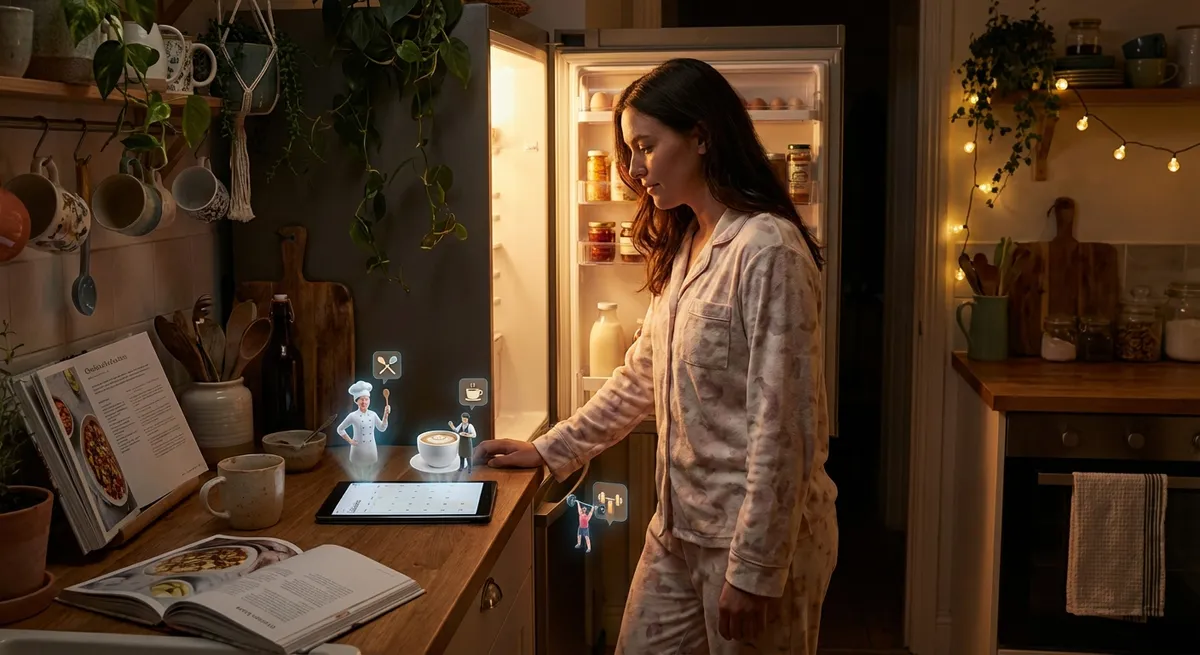
There’s a whole category of apps you almost never tap, but they quietly shape your day anyway. Think calendar apps auto-adding flights and events from your email, map apps logging your locations “for accuracy,” or fitness apps syncing in the background so that step count pops up when you least expect it. They live in your phone like digital plumbing: invisible until something breaks or you change phones and suddenly realize how much they were doing.
The wild part is how many “features” are just automated routines you never explicitly agreed to, other than a vague “Allow” when you first installed the app. Some will scan your photos to create “memories,” others will ping you with “helpful suggestions” based on patterns they’ve noticed. If you’ve ever unlocked your phone and seen an eerily spot-on notification like “Leave now to arrive on time,” that’s the quiet background layer doing what it does best. None of this is pure evil or pure magic—it’s just code following rules. But once you realize how much your phone is working when you’re not, you start to understand why your battery and your attention feel so drained by 9 p.m.
Why Apps Keep Nudging You At The Weirdest Possible Times
Ever feel like apps have a sixth sense for pinging you the moment you sit down, lie down, or try to focus? That’s not an accident—it’s design. A lot of apps are built around the idea of “re-engagement,” which is just a fancy way of saying “don’t forget we exist.” They watch when you typically open them, how long you stay, and what usually hooks you, then start experimenting with the timing and type of notifications to pull you back in.
But here’s the twist: not all nudges are evil attention traps. Some are actually useful if you pick the right ones. A finance app reminding you bills are due, a language app poking you at the time you usually have a few spare minutes, or a note app reminding you to revisit an idea you jotted down last week—that’s the same mechanism, just helping instead of harassing. The trick is realizing that “default notifications” are mostly tuned for what helps the app, not you. Tweaking them—turning off “inspirational” nonsense and leaving on only the stuff that prevents chaos—can make your phone feel less like a slot machine and more like a helpful coworker who only speaks when needed.
Your Home Screen Is Basically A Mood Board For Your Brain
Take a look at your home screen. Not the wallpaper—the layout. The first row of apps is usually the “aspirational self”: productivity tools, health apps, maybe a reading app you swear you’ll use more this month. The next rows drift into “actual self”: social media, games, food delivery, the random app for that one store you went to one time. Your home screen is low-key a snapshot of what you think matters… and what actually wins when you’re tired, bored, or stressed.
This setup has real impact. The stuff that lives one thumb tap away gets more attention by default. That’s why moving a distracting app off the front page can feel like you suddenly regained 20 minutes a day—there’s a tiny bit of friction now. On the flip side, putting the “useful but annoying to remember” apps front and center—habit trackers, budgeting, journaling, whatever you’re trying to build—means you bump into them more often in those idle “let me just check my phone” moments. You don’t need a total digital detox; sometimes just rearranging icons is enough to tilt your habits in a different direction.
The Weird Little Ecosystems Apps Build Around Each Other
Most apps don’t really live alone anymore—they talk to other apps, plug into services, and stack features like Lego bricks. Your notes app might hook into your task app, which syncs to your calendar, which sends alerts through a focus app that decides when you’re “allowed” to see them. A bunch of simple tools, when connected, suddenly feel like a custom-made system—even if all you did was tap “Allow access.”
This ecosystem effect is why switching apps feels so hard. You’re not just changing one tool; you’re breaking a whole little universe of shortcuts, automations, and data flows you accidentally built. On the flip side, it’s also how you can level up your setup without learning anything super technical. Pair a reading app with a highlight saver, connect that to a notes app, and suddenly all the interesting stuff you read doesn’t just vanish into the void of your memory. Or hook a time tracker into your calendar and realize where your actual week went. Once you start looking for these mini-networks, your phone stops being “an app graveyard” and starts looking more like a modular rig you can tweak.
You’re Not Stuck With The Default Version Of Any App Life
A lot of people use apps the way they come out of the box and assume “this is just how it works.” But that’s like buying a mechanical keyboard and never changing a single keybind—you’re missing half the fun. Most apps hide their best stuff a couple menus deep: optional views, focus modes, offline downloads, gesture shortcuts, smarter filters. These aren’t flashy features for power users; they’re the difference between an app that annoys you and one that quietly makes your day easier.
Think about how many tiny frictions you’ve just accepted: swiping away the same alert every morning, digging through menus for the one button you actually use, scrolling past features you never touch. Spend five minutes in the settings of your most-used apps—turn off clutter, rearrange the toolbar, change the default action for a common tap—and suddenly it feels like you upgraded to the “pro” version of your own phone. You don’t need to become a full-on productivity nerd; just deciding what your apps should do by default is often enough to flip the script so they follow your habits instead of training new ones for you.
Conclusion
Apps aren’t just “things on your phone” anymore—they’re the invisible structure around a lot of your day. Some of that is genuinely helpful. Some of it is just noise. The interesting part is that once you notice how they work—background activity, nudges, layouts, ecosystems, and defaults—you stop feeling like everything is happening to you and start making small changes that actually stick.
You don’t have to uninstall half your apps or move to a flip phone. Start with one screen, one notification, or one app you use constantly. Tweak it, strip it down, or hook it up to something else. Bit by bit, you turn your phone from “a pile of distractions” into an actual toolkit that matches how your brain works—no boredom required.
Key Takeaway
The most important thing to remember from this article is that this information can change how you think about Apps.