Apple didn’t drop a new iPhone this week—but they quietly did something that might matter just as much: they turned AirPods into tiny tracking beacons.
Buried in today’s news about Apple’s latest iOS update and holiday push is a small but very real shift: AirPods, the thing you constantly misplace between the couch cushions, are now a lot more like mini AirTags. For anyone who lives in a tangle of cables, cases, and missing earbuds, this is big.
Let’s unpack what’s actually happening, why Apple is doing this now, and what it means for the future of the “little” gadgets we buy without thinking.
Your AirPods Are Now Basically AirTags (But Sneakier)
With the latest iOS and AirPods firmware updates rolling out right now, newer models of AirPods (especially AirPods Pro and the 3rd gen AirPods) are getting much tighter integration with Apple’s Find My network.
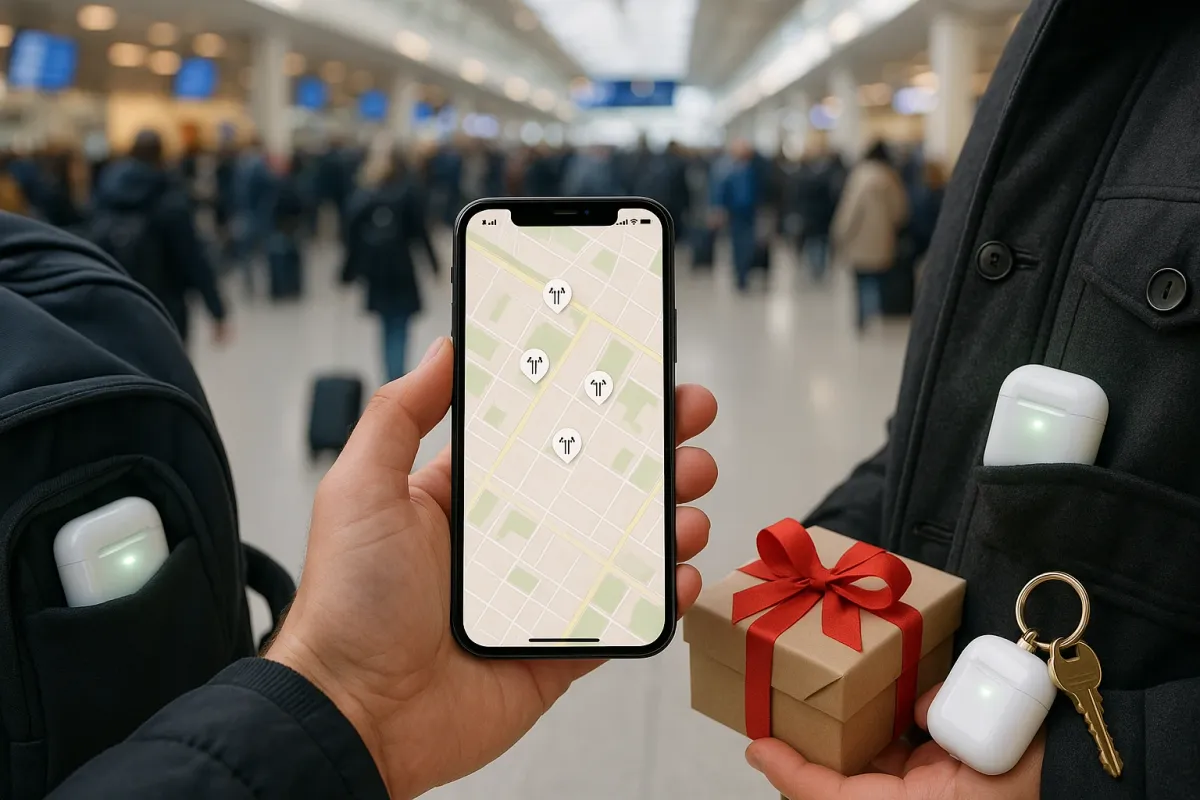
Translation: your AirPods can now ping their location more accurately using millions of nearby Apple devices as a giant, anonymous tracking grid. Instead of just showing “last seen on your iPhone,” they can now behave more like AirTags—letting you track them on a map, play a sound from the buds or case, and even get a “nearby” proximity readout.
For anyone who’s ever lost a single earbud in a car, a gym, or an airport, this feels less like a feature and more like therapy. And with Apple pushing this in the middle of the holiday shopping season, it’s very clearly part of their pitch: buy AirPods, lose them less, feel better about dropping that cash.
Apple Is Quietly Training Us To Expect Smarter “Dumb” Gadgets
This update isn’t happening in a vacuum. Over the last couple of years, Apple has been turning basic accessories into mini-computers: AirTags, MagSafe battery packs that talk to your iPhone, Apple Pencil that pairs instantly, and now AirPods that not only play music but also know where they are at all times.
The headline news today is “AirPods get better tracking,” but the bigger trend is this: Apple wants every little thing you own with a logo on it to be part of a massive, invisible system. You don’t just buy headphones—you buy a node in the Apple network.
If you’re deep in the ecosystem, this feels kind of magical. If you’re not, it’s a subtle bit of FOMO: your generic earbuds can’t tell you they’re still in your jeans in the laundry basket, but your AirPods can. That’s the hook.
Lost-Device Stories Are Now a Marketing Feature
One reason this feels so timely: lost device stories go viral. Every few weeks someone posts about finding a stolen bike or missing luggage with AirTags. Apple doesn’t have to shout about this in ads—TikTok and Reddit are doing it for them.
By upgrading AirPods with near-AirTag powers right before peak travel and gifting season, Apple is basically betting on the same thing happening here. Expect:
- Screenshots of people tracking AirPods across cities
- “I found my AirPods in the gym locker room two days later” stories
- Travel hacks telling you to treat AirPods like backup trackers in your bag
The tracking itself isn’t new tech; Apple’s Find My network has existed for years. What’s new is the company making sure more and more normal gadgets can tap into it, so your everyday stuff turns into content-friendly stories about “tech that saved my butt.”
The Privacy Question Isn’t Going Away
Any time Apple expands tracking features, the same question hits: “Cool… but creepy?” We’ve already seen AirTags spark huge conversations about stalking and unwanted tracking. Apple had to roll out anti-stalking alerts, system-level notifications, and more robust safety guidelines just to keep them viable.
So when AirPods become more trackable, Apple has to thread that same needle again. The company already leans hard on its privacy branding, and today’s updates stick to familiar lines: encrypted location data, anonymous crowdsourced signals, and device-based processing.
But the bigger picture is this: we’re sliding into a world where it’s normal for your bag, wallet, keys, headphones, and maybe even glasses to be trackable 24/7. Apple’s just making that future feel friendly and convenient rather than dystopian. Whether that works depends on how well they handle edge cases—and how many more “AirTag horror stories” go viral compared to the happy reunion ones.
This Is a Glimpse of Apple’s Next Hardware Game
Zoom out from the AirPods news, and it looks like a preview of where Apple’s hardware strategy is headed:
- Everything is an accessory, nothing is “just” a gadget. Even earbuds are now part sound device, part locator, part upsell into the ecosystem.
- The small stuff is the sticky stuff. It’s easier to switch phones than to ditch the network that also tracks your keys, backpack, and laptop.
- Apple Vision Pro, Watch, AirPods, and iPhone are converging. AirPods turn into your spatial audio headset, your notification announcer, your tracker, and probably (eventually) your voice interface for Apple’s AI tools.
Today’s “AirPods are easier to find” headline looks tiny compared to flashy things like foldable phones or new VR headsets from competitors—but this is very on-brand Apple: start with a quality-of-life update, then quietly turn it into the backbone of the next product wave.
Conclusion
Today’s AirPods tracking upgrade might look like a small, nerdy footnote in Apple news, but it actually says a lot about where gadgets are going right now.
Our everyday tech is getting smarter in quiet ways: your earbuds know where they are, your keys can phone home, your watch tracks your health, and all of it talks to each other behind the scenes. Apple’s latest move just nudges AirPods deeper into that web—and makes losing them feel a little less inevitable.
If you’re already living the “Where are my damn AirPods?” life, this update isn’t just nice—it’s a reason to actually install your iOS updates for once.
Key Takeaway
The most important thing to remember from this article is that this information can change how you think about Gadgets.